NEVERWINTER NIGHTS 2
2006
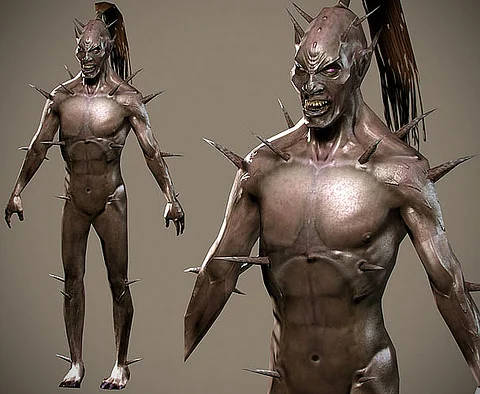
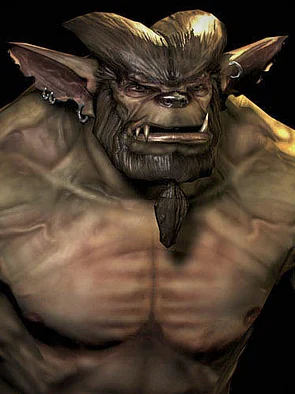
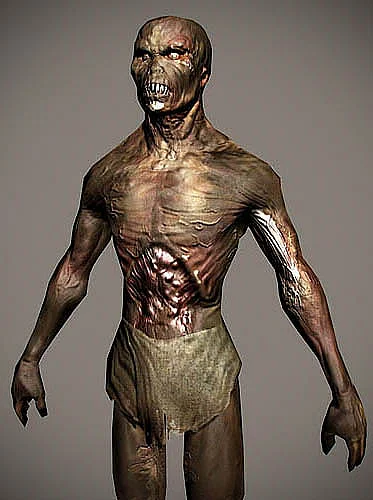
D&D Enemies/Character (Game Models)
One of my primary responsibilities was converting high-resolution monster/character models into optimized, game-ready assets. At the time, automated decimation tools were not capable of producing results suitable for in-game use, so each asset required careful manual retopology. This meant deliberately placing polygon cages based on the underlying high-resolution forms rather than relying on automated solutions.
3ds Max had just introduced its PolyDraw tools, which were extremely helpful, but success still depended on thoughtful decision-making—particularly around edge flow for animation loops and preserving strong silhouettes within strict polygon budgets. Working this way instilled a discipline that I continue to value. Even in today’s environment of high-density geometry and tools like Nanite, the mindset of maximizing visual impact while minimizing complexity remains an important part of my approach.
UV's as well did not have really many automated ways of generating something smart and efficent automatically back then either, so that was another thing that needed special attention. For the monsters and characters in general, depending on size of course, my general limitations were:
- No more than 2500 polys as a general rule.
- Mirrored UV's with no visable normal seams.
- A single 512 x 512 texture for the diffuse/alpha, normal/spec, and RBG tint map (3 textures total).
Again these were general and were bespoke and changed as needed per creature or character. A nice challenge to try sometime in this modern day world of game creation.